


Building More Than Bikes: Dustin LaFont’s Mission to Empower Baton Rouge Youth
January 23, 2026
What began as one student’s undergraduate research journey at LSU has grown into a community-wide initiative rooted in access, mentorship, and mobility. LSU alumnus, Dustin LaFont, founded Front Yard Bikes as a student, turning a simple enthusiasm for bicycles into a youth development framework built on hands-on learning and leadership.
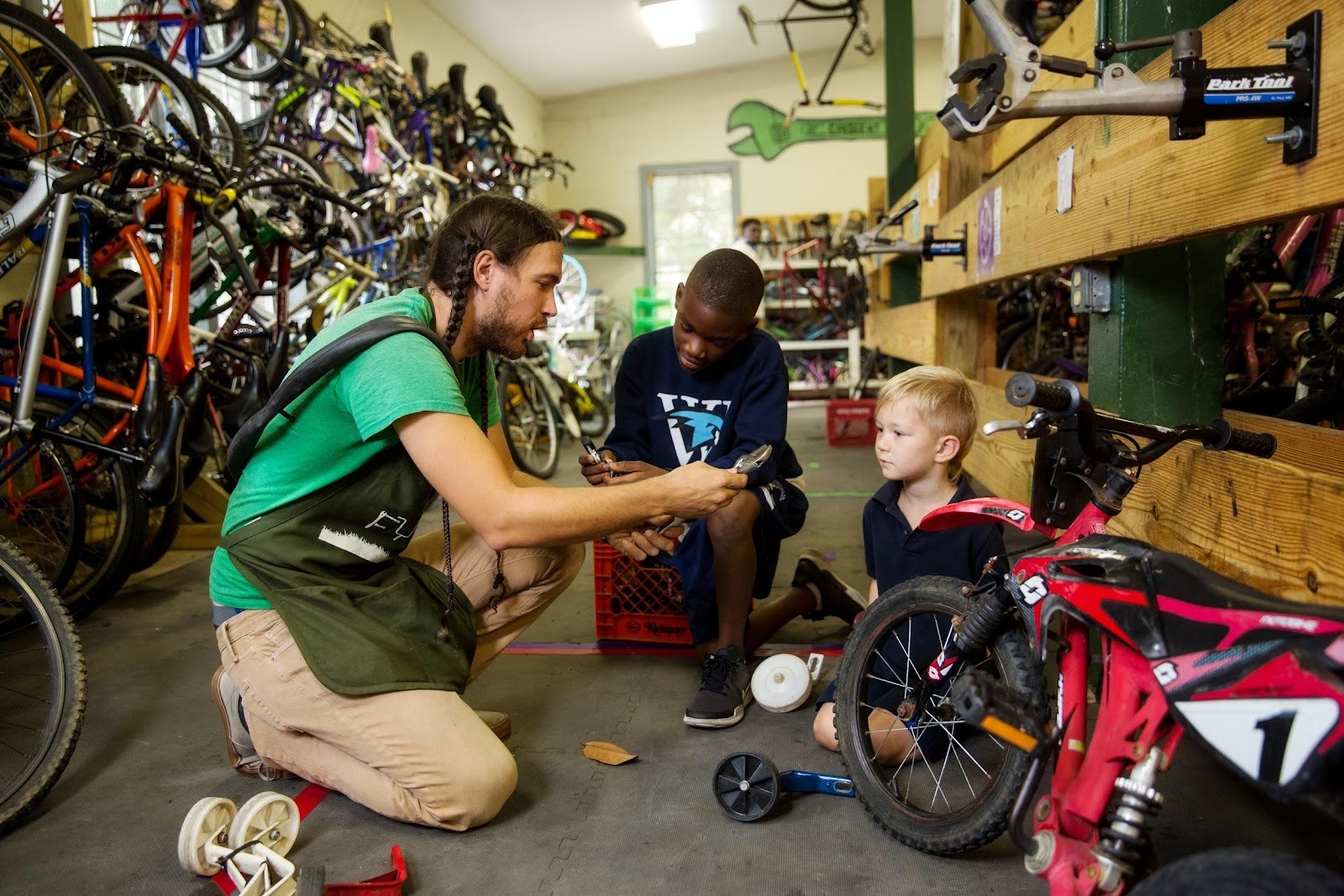
Dustin LaFont founded Front Yard Bikes while a student at LSU. He said his time at LSU helped him find his calling to serve the Baton Rouge community.
Front Yard Bikes not only teaches people how to build and repair bikes, but also skills in welding, gardening, cooking, and academic excellence. Today, through a new collaboration with Youth City Lab, LaFont is helping create an afterschool program aimed at serving thousands of Baton Rouge youth each year. In this Q&A, founder Dustin LaFont reflects on his path from an undergraduate at LSU to community leadership.
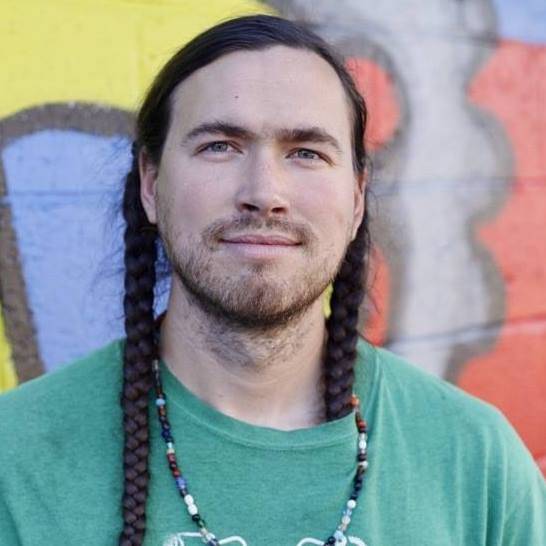
Front Yard Bikes founder, Dustin LaFont
How did your time at LSU help shape the path that eventually led you to founding Front Yard Bikes?
While at LSU, I was able to join the Ogden Honors College, and my advisor encouraged me to research Louisiana civil rights history. Through that work I learned how much was accomplished by local leaders, and how much work still needed to be done in Louisiana, especially in Baton Rouge. My time at LSU helped me find my calling to serve our community just outside the gates of the university, and that journey ultimately led me to where Front Yard Bikes is today.
Why bikes? What do they represent beyond just transportation?
Many of our youth face limited transportation, resources, and choices. A bike gives you the freedom to access so much on your own schedule that doesn’t rely on public transportation, rideshares or a parent/school. Within a 10-mile radius of Front Yard Bikes, there are libraries, parks, museums, grocery stores, pharmacies, schools, government offices, the Capitol, Tiger Stadium, and employment opportunities. Mobility opens doors, and best of all, it puts that power directly in the hands of the youth.
The program teaches mechanics, welding, gardening, cooking, and tutoring. Why was it important to go beyond bike building?
The youth wanted to learn, grow, and build. As Front Yard Bikes grew, more students shared an interest in learning additional skills. Programs like gardening, cooking, welding and fabrication, and academic support came directly from what the youth asked for. These are incredible kids with God-given talent —it’s up to us to create safe spaces and opportunities where they can do the work and discover what they’re capable of.
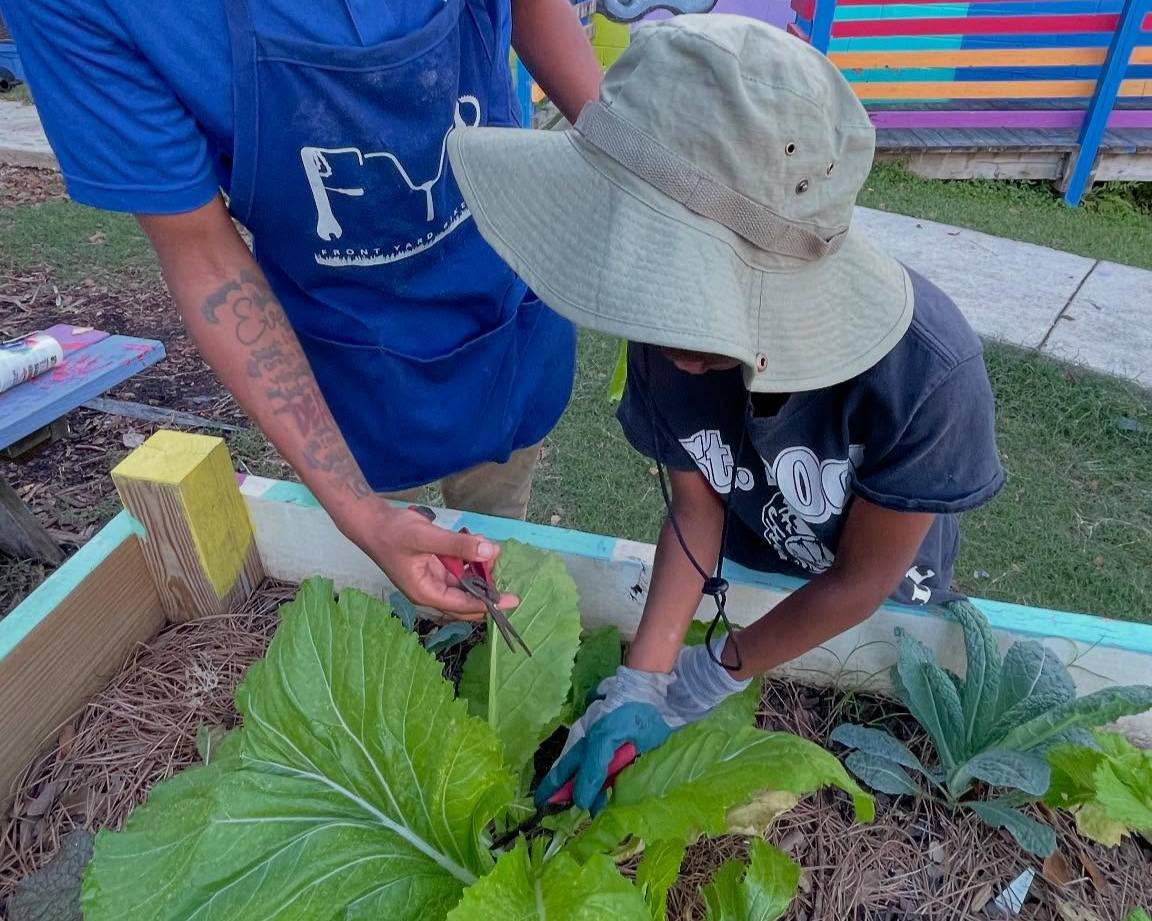
Front Yard Bikes mentors Baton Rouge youth through programs like cooking and gardening.
What changes do you see in children as they spend time building and mentoring others?
I wouldn’t say we see a change as much as we see self-realization. There’s a moment when they gain knowledge, apply it, own it, and then have the power to share it with others. They receive affirmation of their identity. They become “the mechanic,” “the gardener,” “the cook,” “the welder,” “the fabricator.” Even more importantly, they see themselves as friends, peer leaders, community change agents, and forces for good.
How does teaching practical skills help build confidence and long-term opportunities?
Many of our youth come from extremely challenging circumstances. In our program, youth realize they are the problem solvers—not the problem to be solved. That mindset shift changes their heart and their confidence. They begin to own their successes. At that point, it becomes less about Front Yard Bikes and more about their personal growth journey. Front Yard Bikes is just one stop along the way.
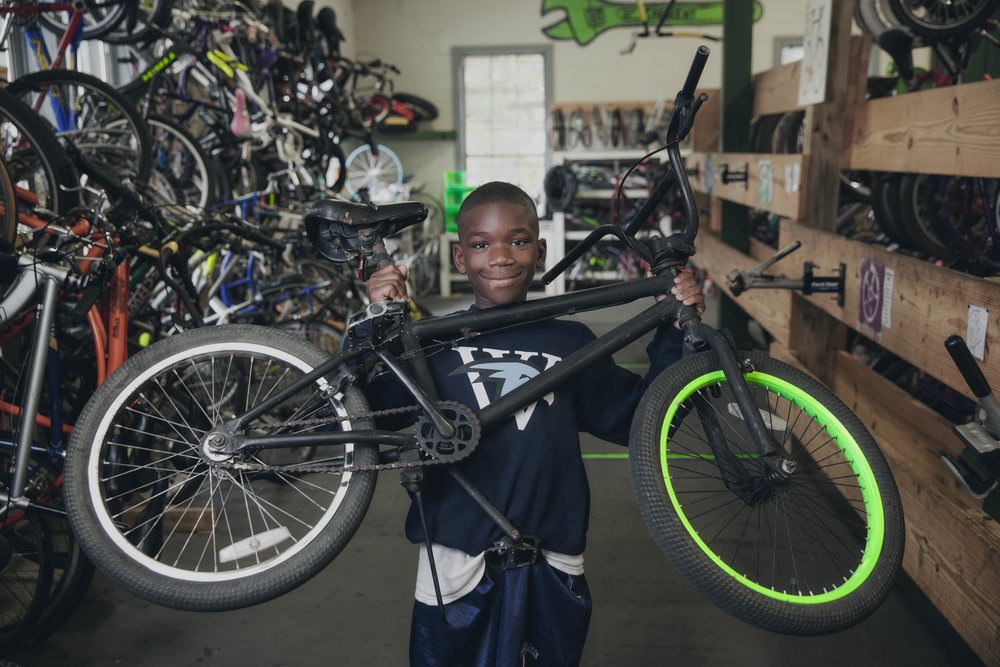
A child receives a bicycle through Front Yard Bikes.
You recently helped launch Youth City Lab. What was the vision behind creating this one-stop afterschool program?
Youth City Lab’s mission is to create a dynamic shared space for learning, connecting, and creating; one that inspires young people to recognize their worth and power to transform the world. The Lab was born from four experienced, local youth development nonprofits: Front Yard Bikes, Big Buddy, Line4Line, and Humanities Amped, coming together to align efforts and increase collective impact. Right now, the Lab is powered by three staff members, four nonprofit representatives, and a 16-member youth council helping lead fundraising, operations, logistics, and programming.
Looking ahead, what does success look like for Front Yard Bikes and Youth City Lab?
Youth City Lab plans to open 2026, and once fully operational, we estimate serving more than 2,000 students and out-of-school youth each year through diverse youth development programs. Success means access, opportunity and sustained support for young people across Baton Rouge.
What advice would you give LSU students or young professionals who want to create meaningful change?
Take time to learn about the nonprofit programs and services already doing the work and visit them. Listen to the needs of the community and daily experiences of the people being served. Invest the time to understand what’s happening at the grassroots level. From there, find a way to help through volunteering, advocacy, or financial support. When you see a need not being met, collaborate with community members and local leaders to take it on. Be willing to do the work because it will make a big difference.
Next Steps
Let LSU put you on a path to success! With 330+ undergraduate programs, 70 master's programs, and over 50 doctoral programs, we have a degree for you.