
Mentor Training
The Office of Undergraduate Research is excited to offer a series of Mentor Training workshops based on the nationally recognized, evidence-based Entering Mentoring curriculum developed by the Center for Improvement of Mentored Experiences in Research (CIMER). Designed to strengthen and enrich the mentoring experience, these workshops are facilitated by CIMER-trained faculty and staff and cover a range of essential mentoring topics for fostering impactful mentorship.
CIMER leads a nationwide initiative to improve the research mentoring relationships for mentees and mentors at all career stages through the development, implementation, and study of evidence-based, culturally-responsive interventions.
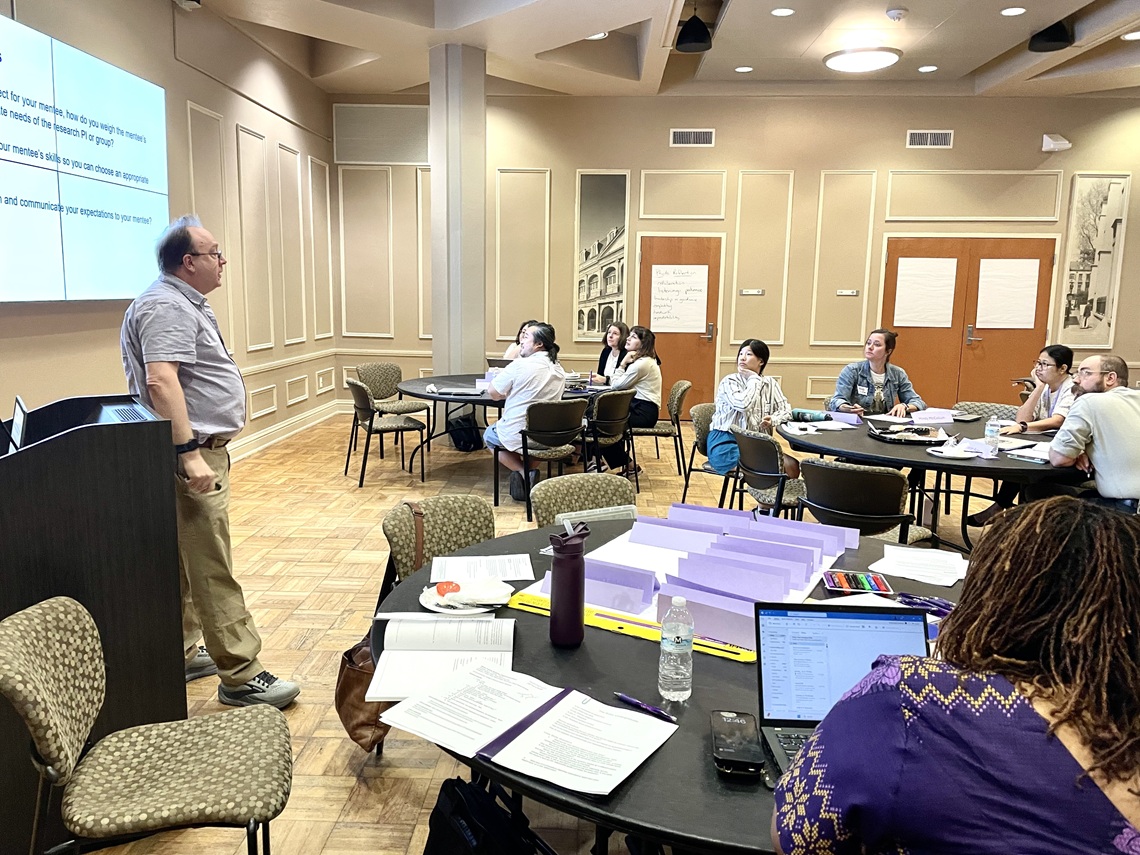
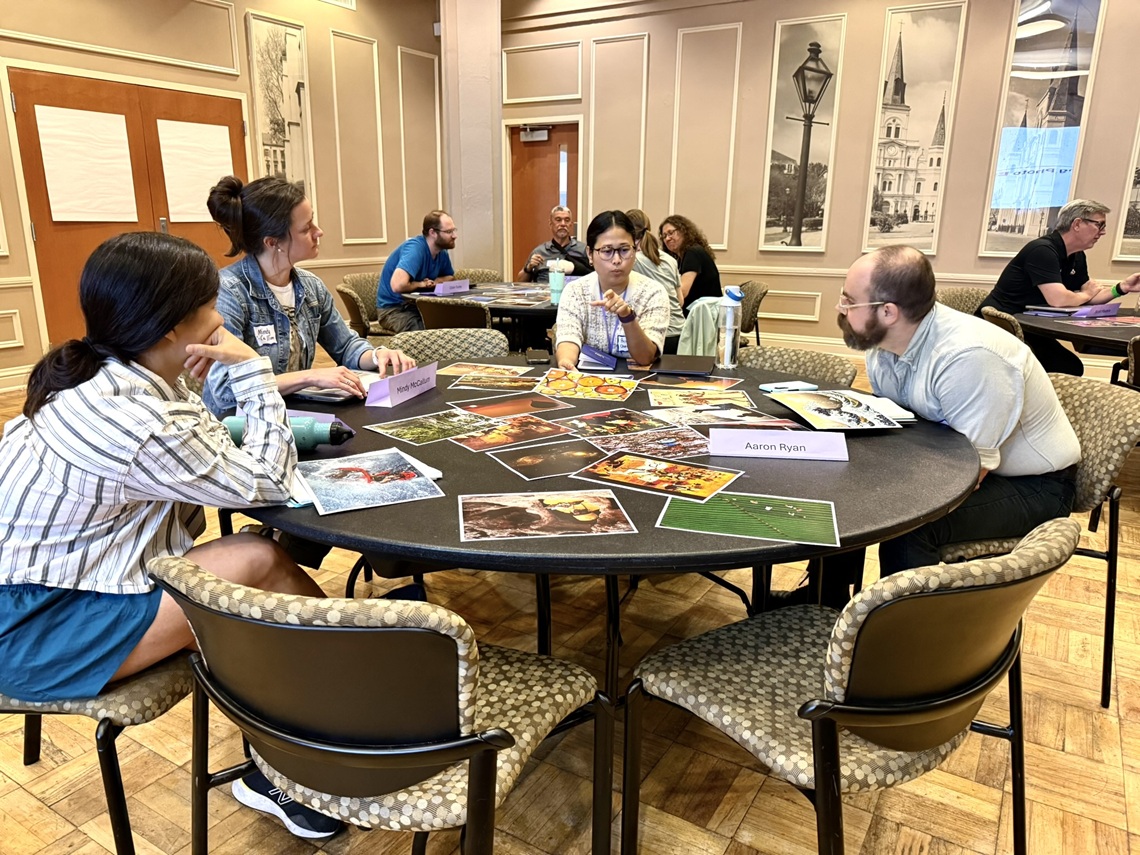
Workshops are conducted using CIMER's open discussion-based format, which centers participant engagement and shared learning. Workshop facilitators guide attendees through self-reflection, group discussion, and collaborative learning activities. Rather than serving as experts who teach mentoring, facilitators lead activities in which participants learn from one another's experiences and perspectives.
Because this training relies heavily on discussion and reflection, it is most helpful for those who have already participated in a mentorship dynamic either as a mentor or mentee. Attendees should be prepared to actively engage in conversations and share their experiences and thoughts with fellow attendees. Each workshop module includes time set aside for reflection on key insights, lessons learned, and practical takeaways.
Attendees will receive a certificate recognizing their participation and commitment to developing effective mentoring practices.
Entering Mentoring Curriculum
Mentors will have the knowledge and skills to
- Provide constructive feedback
- Use multiple strategies for improving communication
- Engage in active listening
- Communicate effectively across diverse dimensions, including varied backgrounds, disciplines, ethnicities, and positions of power
Learning Objectives
- Design and communicate clear goals for the research project
- Listen to and consider the expectations of their mentee in the mentoring relationship
- Consider how personal and professional differences may impact expectations
- Clearly communicate expectations for the mentoring relationship
- Align mentee and mentor expectations
Mentors will have the knowledge and skills to
- Assess their mentee's understanding of core concepts and processes and ability to develop and conduct a research project, analyze data, and present results
- Identify reasons for a lack of understanding, including expert-novice differences
- Use multiple strategies to enhance mentee understanding across diverse disciplinary perspectives
Mentors will have the knowledge and skills to
- Define independence, its core elements, and how those elements change over the course of a mentoring relationship
- Employ various strategies to build their mentee's confidence, establish trust, and foster independence
- Create an environment in which mentees can achieve goals
Mentors will have the knowledge and skills to
- Articulate ethical issues they need to discuss with their mentees
- Clarify their roles as teachers and role models in educating mentees about ethics
- Manage the power dynamic inherent in the mentoring relationship
Mentors will have the knowledge and skills to
- Recognize the impact of conscious and unconscious assumptions, preconceptions, biases, and prejudices on the mentor-mentee relationship and acquire skills to manage them
- Identify concrete strategies for addressing issues
Mentors will have the knowledge and skills to
- Identify the roles mentors play in the overall professional development of their mentees
- Develop a strategy for guiding professional development using a written format
- Initiate and sustain periodic conversations with mentees on professional goals and career development objectives and strategies
- Engage in open dialogue on balancing the competing demands, needs, and interests of mentors and mentees
Mentors will have the knowledge and skills to
- Reflect on the mentor-training experience
- Reflect on intended behavioral or philosophical changes
- Articulate an approach for working with mentees in the future
Workshops for faculty
- Stand-alone topic workshops
- Topic: Creating a Welcoming Environment for Mentorship
- Wednesday, November 11th, 11:00 AM - 1:00 PM. Lunch will be provided
- Topic: Creating a Welcoming Environment for Mentorship
- Multi-topic, all-day workshop
- 8:00 AM - 4:30 PM, Monday, August 17th - CANCELLED. Reschedule TBD.
Workshops for graduate students
- Multi-topic, all-day workshop
- 8:00 AM - 4:30 PM, Saturday, August 29th
Facilitators for Advancing Mentoring Excellence (FAME)
Our workshops are led by the following team members, all of whom are trained facilitators in CIMER’s Entering Mentoring curriculum.
Colleen Fava, Director, LaSPACE/NASA EPSCoR
Sarah Ferstel, Director, Office of Undergraduate Research
Dr. Rob Hynes, Professor of Physics, College of Science and Physics and Astronomy REU co-director
Dr. Morgan Kelly, Interim Associate Dean of Research & Administration and Associate Professor of Biology, College of Science
Dr. Laura Lagomarsino, Associate Professor of Biology, College of Science
Dr. Zakiya Wilson-Kennedy, Associate Dean for Academic Innovation and Engagement and Associate Professor of Chemistry, College of Science
Other Resources
Center for the Improvement of Mentored Experiences in Research (CIMER)